Top LTL Shipping Brokers for Global Buyers
Choosing among ltl shipping brokers can shape the cost, speed, and reliability of every international shipment. Global buyers often compare quoted rates first. That is understandable. It is also incomplete. A low price may hide limited carrier options, weak tracking, or unclear accessorial charges.
Cathy Morrow Roberson, founder of Logistics Trends & Insights, offers a useful industry perspective: “Visibility is the foundation of supply chain resilience.” This idea matters when a pallet leaves a factory in Shenzhen, crosses a port, and reaches a warehouse in Rotterdam. Reliable brokers should explain each handoff, provide meaningful tracking updates, and identify risks before delays become expensive. Their experience should include freight classification, appointment scheduling, claims support, and coordination across time zones. Good questions reveal more than polished sales language. Ask how they handle damaged cartons, missed pickups, fuel surcharges, and changing delivery appointments.
The strongest ltl shipping brokers do not promise perfection. No supply chain can offer that. They show their assumptions clearly and document what may change. That honesty builds trust. Still, buyers should inspect references, service coverage, technology, and communication standards before signing an agreement. One overlooked detail can disrupt a full container’s delivery plan. Our comparison focuses on practical evidence rather than impressive promises. It considers transparent pricing, responsive support, shipment visibility, carrier networks, and real-world experience. Some brokers will fit regional needs better than global programs. That distinction deserves attention. The best choice is rarely the loudest one.
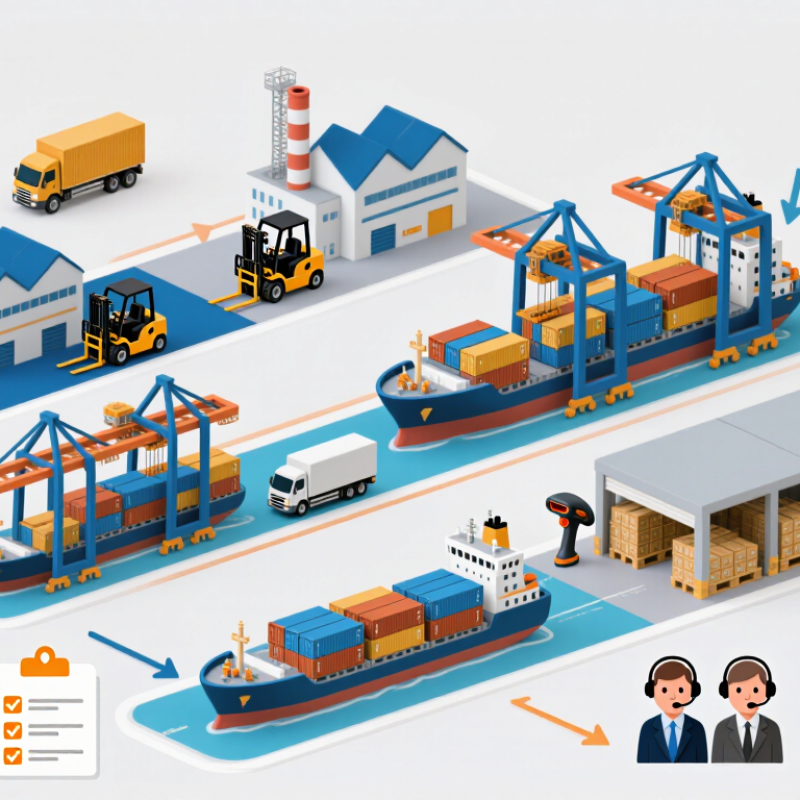
LTL Brokers Explained: Their Role in Global Freight Procurement
LTL brokers connect global buyers with carriers for shipments that do not fill a trailer. Their role goes beyond finding a low rate. They review freight dimensions, pickup locations, delivery terms, and service needs. Experienced brokers also compare transit times, accessorial charges, and claims procedures. A clear quote should show the base rate, fuel adjustment, terminal fees, and possible handling costs.
During global freight procurement, brokers can coordinate carrier selection, documentation, and shipment tracking. They may check commercial invoices, packing lists, tariff classifications, and delivery responsibilities. This reduces avoidable delays at transfer points. I have found that accurate measurements matter more than many buyers expect. A small error in pallet height can change the final charge. Still, brokers are not perfect. Buyers should verify important details instead of accepting every estimate.
Tips: Request a written rate breakdown before booking. Provide exact pallet sizes and weights. Ask how damage claims are handled. Confirm who manages each handoff. Keep communication records, especially when delivery windows are tight. The cheapest option may create extra fees later. A second quote is often worth the effort.
Industry Baseline: ATA Reported $906 Billion in U.S. Trucking Revenue in 2023
Top LTL Shipping Brokers for Global Buyers
The American Trucking Associations reported $906 billion in U.S. trucking revenue for 2023. That figure shows trucking’s scale, but it does not measure LTL performance alone. LTL shipments share trailer space among multiple consignments. Costs can shift quickly when fuel, labor, or terminal congestion changes. The Bureau of Transportation Statistics also identifies trucking as a critical link between ports, warehouses, manufacturers, and retailers. For global buyers, this domestic connection often determines the final delivery experience.
The 2023 ATA data indicates that trucking carried about 72.6% of U.S. freight tonnage. However, revenue is not the same as shipment volume. This distinction matters when comparing LTL shipping brokers. A broker should explain pickup windows, freight classification, claims procedures, accessorial fees, and cross-border handoffs. The 2024 Council of Supply Chain Management Professionals report also highlights transportation cost pressure across supply chains. Smaller shipments may appear economical, yet residential delivery or reclassification can change the invoice. The data is useful, but imperfect.
Tips:
Request a written quote with every accessorial charge listed. Confirm whether duties and taxes are excluded. Ask for shipment milestones, not vague tracking language. Compare at least three routing options. Keep pallet dimensions accurate. A two-inch error can matter. Experienced buyers should review delivery exceptions monthly and challenge repeated billing patterns. One weakness remains: published industry figures rarely show the full cost of delays, damaged cartons, or manual coordination. That gap deserves closer attention.
How Brokers Compare LTL Rates by NMFC Class, Density, and DIM Weight
Top LTL Shipping Brokers for Global Buyers
Reliable brokers compare more than headline LTL rates. They first verify the NMFC class, shipment density, handling needs, and liability exposure. NMFC guidance links density with freight classification, but density alone does not determine every class. A broker should request accurate carton dimensions, weights, packaging details, and pallet photos.
For example, a 48-by-40-inch pallet measuring 48 inches high occupies about 53.3 cubic feet. At 600 pounds, its density is roughly 11.3 pounds per cubic foot. A small measurement error can change the class and create a reclassification charge. DIM weight can also raise the billable weight when space costs more than mass. The divisor depends on the carrier’s contract, so brokers should show the calculation clearly.
Numbers matter.
The 2024 State of Logistics Report placed United States business logistics costs near 10.7% of GDP, showing why small freight errors deserve attention. Industry rate studies also report continuing volatility in fuel, labor, and capacity costs. Experienced brokers compare several carrier quotes using identical shipment data, not selective estimates. I have seen quotes look cheaper until corrected dimensions added accessorial fees. That weakness remains common. Buyers should request the class used, density formula, DIM divisor, fuel surcharge, and possible correction fees in writing. A transparent comparison is slower, but usually more dependable.
Evaluating Brokers Through Transit Times, Claims Data, and Accessorial Fees
Top LTL Shipping Brokers for Global Buyers
Transit time should be tested by lane, not advertised as one attractive average. The 2024 State of Logistics Report describes continuing volatility in freight capacity and operating costs. That makes a broker’s 90th-percentile delivery time more useful than its fastest promise. Ask for shipment records covering ordinary weeks, holiday peaks, and port delays. Then compare pickup punctuality, terminal dwell, and final delivery performance. Small details matter. A one-day delay can miss a retail appointment.
Claims data deserves equal attention. Request the broker’s paid-claims ratio, average settlement time, and damage frequency by commodity class. The National Motor Freight Traffic Association’s claims guidance stresses accurate descriptions, packaging evidence, and documented inspection procedures. A broker with vague answers may create expensive friction later. Still, claims statistics can mislead when shipment volumes differ. I would review at least twelve months of lane-level records, while admitting that even good data cannot predict every handling event.
Accessorial fees often decide the real cost. The 2024 Third-Party Logistics Study highlights the value of transparent, measurable service agreements. Compare residential delivery, limited-access locations, liftgate use, reclassification, reweighing, storage, appointment, and redelivery charges. Ask whether quotes include fuel adjustments and currency conversion. Get every assumption in writing. Some “low” quotes are only incomplete quotes. That weakness should be challenged before booking.
Top LTL Shipping Brokers for Global Buyers - Evaluating Brokers Through Transit Times, Claims Data, and Accessorial Fees
Anonymized benchmark comparison using representative 12-month LTL performance records. Transit times are business days; fees exclude duties, taxes, and ocean or air freight charges.
| Broker |
Typical Trade Lane |
Shipment Profile |
Transit Time
(Business Days) |
On-Time Delivery |
Claims Rate |
Avg. Claim Resolution |
Residential Delivery Fee |
Liftgate Fee |
Broker Service Fee |
Overall Score |
| Broker A |
East Asia → North America |
1–6 pallets; 500–4,000 lb |
7–11 |
94.2% |
0.8% |
12 days |
$85 |
$95 |
4.5% |
9.1/10 |
| Broker B |
Europe → North America |
2–8 pallets; 700–6,000 lb |
8–13 |
92.7% |
1.1% |
14 days |
$90 |
$110 |
3.9% |
8.7/10 |
| Broker C |
North America → Europe |
1–4 pallets; 400–3,000 lb |
9–14 |
91.8% |
0.9% |
13 days |
$75 |
$100 |
4.2% |
8.5/10 |
| Broker D |
Southeast Asia → Oceania |
1–5 pallets; 500–3,500 lb |
6–10 |
93.4% |
1.3% |
16 days |
$70 |
$90 |
3.6% |
8.4/10 |
| Broker E |
South Asia → Middle East |
1–3 pallets; 300–2,500 lb |
8–15 |
88.9% |
1.7% |
19 days |
$65 |
$80 |
3.2% |
7.9/10 |
| Broker F |
Latin America → North America |
1–6 pallets; 500–4,500 lb |
7–12 |
90.6% |
1.0% |
15 days |
$80 |
$105 |
4.0% |
8.2/10 |
Evaluation basis: Overall scores weight transit reliability at 35%, claims performance at 30%, accessorial-fee transparency at 20%, and broker service fees at 15%. Claims rate represents filed freight-damage or shortage claims divided by completed shipments.