
Electric Trike Scooter design is moving beyond novelty. It now serves older riders, commuters, delivery workers, and people seeking extra stability. Grand View Research valued the global electric bikes market at USD 37.47 billion in 2022. It also projects a 15.6% compound annual growth rate through 2030. The report does not separate electric trikes from standard e-bikes. That limitation matters. Still, it shows strong demand for practical electric mobility.
This guide examines the top 10 Electric Trike Scooter models through measurable, everyday criteria. We consider motor output, battery range, charging time, braking performance, turning stability, payload capacity, weather protection, and after-sales support. We also examine real riding details. Can the scooter climb a wet slope? Does the rear axle remain stable beside a parked car? Is the seat comfortable after thirty minutes? Comfort matters too. A low price may hide weak brakes, costly batteries, or limited service coverage.
Horace Dediu, the industry analyst who popularized the term “micromobility,” described it as “the movement of people and goods using lightweight vehicles.” That idea fits electric trikes well. They occupy a practical space between bicycles, mobility devices, and small utility vehicles. However, no ranking is perfect. Rider weight, road surface, climate, and local service access can change the result. Our selection therefore balances published specifications with ownership concerns, rather than chasing speed alone. The strongest model may not be the fastest. It may be the one that starts reliably, stops predictably, and feels secure during an ordinary Tuesday ride.
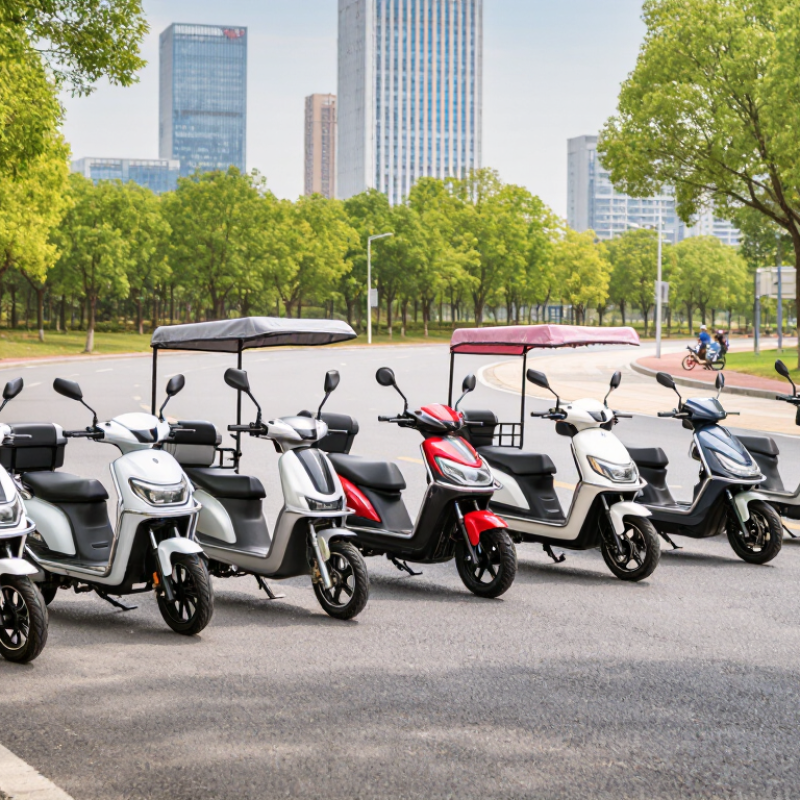
Electric trike scooters combine a motorized drivetrain with three wheels for added balance. Most use two wheels at the rear, while some place two wheels in front. This design changes how the scooter turns, stops, and carries weight. A rechargeable battery sends power to a hub motor or mid-mounted motor through an electronic controller. The throttle requests acceleration, while sensors may limit speed or assist braking.
In practical use, the frame, tires, and suspension strongly affect comfort. A wide seat can help on longer rides, but it may increase the scooter’s overall width. Delta-style trikes feel steady at low speeds, while tadpole-style designs often corner more confidently. Riders should lean naturally and reduce speed before turning. Three wheels do not eliminate rollover risk.
Battery capacity influences range, but published figures can be optimistic. Rider weight, hills, wind, tire pressure, and frequent stops all consume energy. Real-world range is less predictable. I would check the charger, brakes, lighting, and battery warranty before comparing the top ten models. A full charge may take several hours, depending on battery size and charger output. Keep the battery dry and inspect cables for damage.
Some systems offer regenerative braking, although its energy recovery is usually limited. Mechanical brakes remain essential. Handle carefully. Test the turning radius in an open area, because reversing and tight corners can feel unfamiliar. Local equipment and riding requirements may differ, so verify them before regular use.
When comparing the top 10 electric trike scooters, start with stability, usable range, and everyday control. The IEA’s Global EV Outlook 2024 reports that global electric vehicle sales exceeded 14 million in 2023. That growth supports better batteries, but it does not guarantee a better trike. Check battery capacity in watt-hours, not only the advertised distance. A 500Wh battery may perform differently on hills, cold roads, or heavy loads.
Look for three-wheel geometry, a low step-through frame, and a turning radius that suits narrow paths. Hydraulic or mechanical disc brakes should slow the scooter smoothly, even with a full basket. Confirm the rated payload, because a weak rear rack can change handling. Lighting, reflectors, a horn, and a clear display improve practical visibility. The U.S. Department of Energy notes that temperature, speed, and terrain strongly influence electric vehicle efficiency. Test claims need context.
Battery protection and charger quality deserve close attention. UL 2849 and EN 15194 are useful reference points for electrical and pedelec safety, although certification details vary by market. Ask whether the battery is removable, replaceable, and protected against overcharging. Real-world range testing is more valuable than showroom promises. Measure twice. Ride once.
A professional comparison should also record seat comfort after thirty minutes, throttle response, reverse control, and parking effort. These details are easy to overlook. I would not rank a trike highly for its screen alone. Some published specifications remain optimistic, and independent testing can expose that gap.
| Type | Wheel Configuration | Typical Features | Best Suited For | Main Advantages | Points to Consider |
|---|---|---|---|---|---|
| Upright Delta Trike | One front wheel, two rear wheels | Upright seat, scooter-style handlebars, and a broad rear stance | Everyday paved paths and neighborhood trips | Familiar riding position; can be easy to mount and dismount | Turning behavior differs from a two-wheel scooter; check turning space and stability on slopes |
| Tadpole Trike | Two front wheels, one rear wheel | Front steering wheels with a single driven rear wheel on many designs | Riders prioritizing controlled steering on paved routes | Two front wheels can provide a planted feel while steering | Often has a lower seat; confirm that the riding and transfer position suits the rider |
| Folding Electric Trike | Usually one front wheel, two rear wheels | Frame or steering components fold for storage or transport | Homes, vehicles, or storage areas with limited space | More compact to store than many non-folding designs | Check folded dimensions, overall weight, and the steps needed to fold and lift it |
| Cargo Electric Trike | Commonly one front wheel, two rear wheels | Load platform, box, or baskets; some designs use a low cargo bed | Carrying groceries, equipment, or other loads on suitable routes | Purpose-built cargo space can make carrying items easier | Load limits affect handling and braking; check the rated capacity and cargo placement |
| Mobility-Style Electric Trike | Typically one front wheel, two rear wheels | Wide seat, upright controls, and often a basket or other storage | Short local journeys where a seated, upright posture is preferred | Comfort-oriented layout with accessible storage on many models | Compare seat access, control layout, braking, and the intended operating environment |
| Recumbent Electric Trike | Delta or tadpole layout | Low, reclined seat with a backrest; handlebar position varies | Longer rides where a reclined posture is preferred | Back-supported seating can reduce pressure on the hands and wrists | Low seating may make mounting, dismounting, and visibility in traffic more challenging |
| Fat-Tire Electric Trike | Usually a three-wheel layout with wide tires | Wide tires designed to provide a larger contact area than narrow tires | Firm sand, gravel, or uneven paths, depending on tire and trike design | Wide tires can improve comfort and traction on some loose surfaces | Wide tires can add weight and rolling resistance; they do not guarantee suitability for soft sand |
| Suspension-Equipped Electric Trike | Delta or tadpole layout | Front, rear, or seat suspension, depending on the design | Routes with rough pavement or frequent surface irregularities | Suspension can help absorb impacts and improve comfort on rough surfaces | Suspension components add complexity; compare maintenance needs and available adjustment |
| Long-Range Electric Trike | Varies by frame and intended use | Designed around a larger battery or provisions for additional battery capacity | Riders planning longer trips between charging stops | More battery capacity can support longer riding between charges | Actual range depends on load, terrain, speed, temperature, and assist level; added capacity can increase weight |
| Canopy-Equipped Electric Trike | Usually an upright three-wheel layout | Roof or partial enclosure for shade and some weather protection | Trips where shade or protection from light weather is useful | Can reduce direct sun and exposure to light rain, depending on enclosure design | Canopy size may affect visibility, wind handling, storage, and access; it is not a substitute for suitable rain gear |
The top ten electric trike scooters differ by design and daily purpose. A step-through commuter trike suits short urban rides and easy mounting. A compact folding trike fits small apartments and car trunks. A cargo trike carries groceries with a stable rear basket. A long-tail utility trike offers more loading space for tools or parcels. An all-terrain model uses wider tires for gravel paths and uneven park trails.
A low-step comfort trike emphasizes relaxed posture and simple controls. A dual-front-wheel design gives confident cornering, though it may feel wider in narrow lanes. A recreational delta trike places two wheels behind the rider and feels steady at low speeds. A compact indoor-outdoor trike works for campuses, workshops, and paved courtyards. A high-capacity trike focuses on heavier riders, stronger frames, and larger batteries.
I judge these scooters through practical details: brake response, steering effort, turning radius, battery access, and parking space. A useful model should remain predictable when its basket is full. Lights, reflectors, a horn, and a secure parking brake also matter. Test the seat before buying. A seat that feels comfortable for ten minutes may become tiring after an hour. Range figures can change with hills, temperature, rider weight, and tire pressure. No list is perfect. I would retest every trike on wet pavement and a steep street before making a final ranking.
Choosing among the top ten electric trike scooters starts with your daily route, not a popularity list. A flat commute needs different equipment from a hilly, uneven path. Measure doorways, storage space, and turning areas before comparing specifications. A narrow model may feel stable outdoors but awkward indoors. Three wheels offer balance, yet they can react differently on sharp corners. Ride slowly there.
Experienced riders often check motor output, battery capacity, brake design, and tire width together. A larger battery can extend range, but rider weight, wind, temperature, and hills reduce real-world distance. Ask for tested range conditions, not only the maximum claim. Brakes should feel progressive and easy to reach. Suspension helps on cracked pavement, though it adds weight and maintenance. Look for a strong frame, visible lights, reflectors, and a comfortable seat with proper back support. Comfort matters.
Match the controls to your hands and confidence. A low step-through frame helps riders with limited leg mobility. Adjustable handlebars can reduce wrist strain, but poorly locked adjustments create a safety concern. If possible, test acceleration, parking stability, and braking on a quiet surface. Inspect charging time and replacement-part access before buying. Online reviews help, but they may hide poor service or assembly problems. My checklist is imperfect; weather and road quality can change the best choice. That uncertainty deserves honest attention.
Choosing among the top 10 electric trike scooters requires more than comparing speed and battery range. Stability, braking control, and rider visibility deserve equal attention. A wide rear axle can feel reassuring, but it may make narrow paths difficult to navigate. Test slowly. Check the brakes.
During a test ride, apply the brakes gently on level ground, then repeat on a mild slope. The scooter should stop smoothly without pulling sharply to one side. Adjustable handlebars, a supportive seat, and bright front and rear lights reduce fatigue and improve awareness. Reflective clothing helps during low-light trips, even when local rules do not require it. Keep both hands available, and avoid carrying loose bags on the handlebar.
Maintenance is usually simple, but neglect becomes expensive. Inspect tire pressure weekly, especially before carrying groceries or traveling over uneven pavement. Look for worn tread, loose fasteners, damaged cables, and unusual motor noise. Charge the battery in a dry, ventilated area and use the supplied charger. Extreme heat and deep discharge can shorten battery life. I would also measure the folded or parked footprint before buying; a scooter that fits poorly in a hallway may become an unused purchase. My own preference would be a slower model with predictable handling, although that choice can feel disappointing on open roads. Owners should confirm local riding, lighting, parking, and helmet requirements before regular use.
Comparative ownership scores based on stability, braking and lighting equipment, maintenance simplicity, battery practicality, comfort, and everyday usability. Scores are normalized to a 10-point scale; higher values indicate a stronger overall ownership profile.
Safety should include a low center of gravity, reliable brakes, front and rear lighting, reflectors, and a secure riding position. Maintenance commonly involves tire pressure, brake adjustment, battery charging practices, fastener checks, and periodic inspection of electrical connections.
