7 Tips for Choosing Reliable US Freight Brokers

Choosing the right us freight brokers can determine whether a shipment arrives smoothly or becomes a costly source of stress. A dependable broker does more than match cargo with a carrier. They verify transportation details, explain pricing clearly, and communicate when schedules change. In practical shipping work, small details matter. A missing appointment time or unclear accessorial fee can quickly disrupt a delivery plan.

Reliable brokers should demonstrate current industry credentials, appropriate insurance information, and a verifiable business history. Checking public records, customer references, and carrier feedback can reveal patterns that advertisements often hide. Ask how they screen carriers, track shipments, handle delays, and document claims. Their answers should be specific, not polished guesses. A professional broker will also provide written terms before pickup, including payment conditions, cancellation policies, and responsibilities for damaged freight.

No checklist is perfect. Even experienced shippers can overlook a warning sign when rates look attractive. I have learned that the cheapest quote may create extra costs through missed appointments, weak communication, or unclear fees. That lesson is uncomfortable, but useful. Good judgment requires comparing service quality with price. This guide outlines seven practical tips for evaluating us freight brokers with greater confidence. It focuses on transparent processes, responsible communication, and evidence you can verify. Your shipment still deserves careful attention. Reliable partnerships are built through repeated performance, not one convincing phone call.
7 Tips for Choosing Reliable US Freight Brokers

Understanding the Role of a US Freight Broker

Understanding the Role of a US Freight Broker

A US freight broker connects shippers with qualified motor carriers. The broker does not drive the truck. Instead, the broker matches equipment, lanes, timing, and pricing. A good broker also confirms insurance, operating authority, pickup details, and delivery paperwork. This coordination matters as logistics becomes more expensive. The 2024 State of Logistics Report estimated US business logistics costs at $2.374 trillion in 2023, equal to 8.7% of GDP.

Choosing a reliable broker requires practical checks. Verify active authority through the Federal Motor Carrier Safety Administration’s public records. Confirm the broker’s required $75,000 financial security. Ask how carriers are screened before accepting your load. Request written rates, accessorial charges, appointment times, and cancellation terms. Check whether one person remains responsible for tracking. Ask for a clear claims process. Review recent customer references, not only online testimonials.

Watch the details. A broker who avoids direct answers may create delays later. A polished website proves little. During a warehouse pickup, unclear instructions can leave a driver waiting beside a sealed dock for hours. That delay affects labor, appointments, and trust. Reliable brokers explain risks before booking and provide updates when conditions change. No checklist removes every risk. I would still question unusually low quotes, vague carrier names, and pressure to decide immediately. A careful broker protects communication, not just the freight.

Checking Licensing, Authority, and Industry Credentials

A reliable US freight broker should be verified before a shipment is tendered. Check the broker’s legal name, USDOT number, and active broker authority in FMCSA’s Licensing and Insurance database. Match every detail with the written agreement. Small mismatches can signal outdated records.

Review the broker’s surety bond or trust filing. Federal rules require a $75,000 financial security level for property brokers. Confirm the filing is active and connected to the correct legal entity. Check insurance documentation, complaint patterns, and operating history through public regulatory records. Ask for two recent carrier references. Then call them directly. Screenshots are not enough.

Compare the proposed rate with current transport economics. A 2023 U.S. trucking operating-cost report measured average marginal costs near $2.25 per mile. A quote far below realistic costs deserves careful questions. Request the rate breakdown, accessorial terms, payment schedule, and cancellation language. I have learned that a clean authority record does not prove strong daily performance. My own screening once focused too heavily on paperwork. Communication quality mattered more than expected. Test response times before booking. Keep every confirmation in writing. Recheck authority shortly before pickup, because credentials and insurance can change.

Evaluating Experience in Your Freight Category

A reliable US freight broker should understand your freight category, not just quote a low rate. Experience shows in practical questions about weight, dimensions, packaging, loading methods, and delivery windows. A broker familiar with refrigerated freight may ask about temperature records and trailer pre-cooling. A broker handling construction materials may check axle limits, loading access, and securement needs. These details reveal working knowledge. Ask how many similar shipments they coordinate each month. Then request a short example from the past year. Specific answers matter.

Check whether the broker’s experience matches your lanes and shipment rhythm. Someone skilled with regional dry freight may struggle with oversized equipment or time-sensitive deliveries. Ask for evidence without requesting confidential customer information. Useful evidence includes anonymized performance reports, carrier qualification procedures, and clear claims-handling steps. Listen for realistic timelines and documented escalation procedures. Vague confidence is not expertise. It is only confidence.

Your own records can improve the evaluation. Share a sample load tender, pallet photos, and recurring delivery problems. Notice whether the broker identifies risks before promising capacity. A practical trial shipment can test communication, tracking updates, appointment accuracy, and invoice details. Keep the test fair and measurable. I would not rely on one successful load alone. Weather and carrier availability can create misleading results. Review patterns across several shipments, and admit where your requirements were unclear. That honesty often reveals whether the broker solves problems or repeats familiar sales language.

Comparing Rates, Contracts, and Service Terms

7 Tips for Choosing Reliable US Freight Brokers

Comparing Rates, Contracts, and Service Terms

A reliable US freight broker should make every quote easy to audit. I compare identical lanes, equipment, pickup windows, and delivery requirements. The 2024 ATRI Operational Costs of Trucking report measured average marginal operating costs at $2.270 per mile in 2023. That is a benchmark, not a guaranteed lane price. A suspiciously low quote may exclude fuel, detention, tolls, or re-delivery charges. Ask for seven details: base rate, fuel treatment, accessorial fees, payment timing, cancellation rules, cargo coverage, and service contacts. Small omissions become expensive later.

Read the contract before tendering freight. Check whether the broker can substitute carriers without approval. Confirm who handles claims, damaged goods, missed appointments, and detention disputes. FMCSA requires freight brokers to maintain $75,000 in financial security, but that requirement does not prove strong service. Verify the broker’s authority, insurance information, and operating status through official records. I also request a sample rate confirmation, not just a polished sales email. Paperwork reveals habits.

Service terms deserve equal weight. Require shipment updates at agreed milestones, such as dispatch, arrival, loading, and proof of delivery. The 2024 State of Logistics Report estimated US logistics costs at about $2.3 trillion in 2023, showing why control matters. A broker should explain backup procedures when a truck breaks down. I have learned that “24/7 support” can mean one unanswered mailbox. Test the contact before booking. Then compare the full landed cost, response speed, contract flexibility, and documented performance. Reevaluating the broker after one shipment is sensible; one successful load can still hide weak processes.

Assessing Communication, Tracking, and Customer Support

7 Tips for Choosing Reliable US Freight Brokers

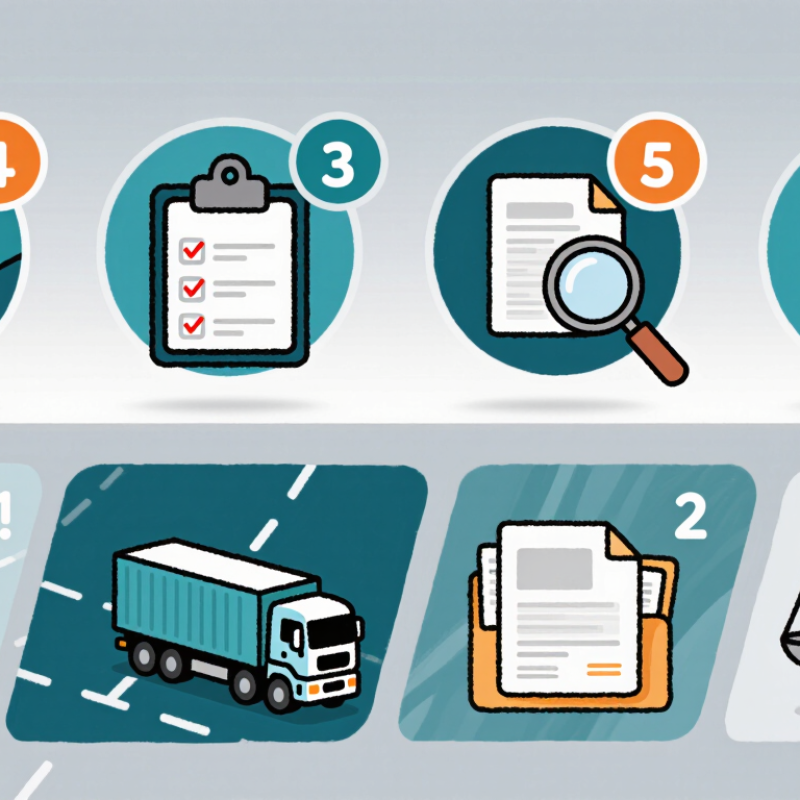
Tip 1: Test communication before booking. Send a detailed shipment question and measure the response time. A reliable broker answers clearly, not with vague promises. Tip 2: Ask who will manage your load after pickup. One named contact reduces confusion during delays. Tip 3: Request written confirmations for rates, pickup windows, and delivery requirements. Keep every message.

Tip 4: Examine the tracking process. Ask how often location updates arrive and whether updates come from verified carrier information. A useful system shows pickup, transit, arrival, and delivery milestones. Tip 5: Check how delays are reported. You should receive a direct explanation, a revised estimate, and the next action. Silence is costly.

Tip 6: Evaluate customer support outside normal hours. Freight problems rarely respect office schedules. Ask whether urgent calls reach a trained representative or only voicemail. Tip 7: Review references, operating credentials, and complaint patterns. Look for consistent service, not perfect reviews. I once trusted polished promises and ignored slow replies. That was a mistake. A broker may still perform well after one communication failure, but repeated uncertainty deserves careful reconsideration. Choose clear records, realistic updates, and support that remains useful when plans change.

7 Tips for Choosing Reliable US Freight Brokers - Assessing Communication, Tracking, and Customer Support

Tip Evaluation Dimension Reliable-Broker Benchmark How to Check Before Booking Potential Warning Signs Assessment
1 Communication Availability Provides a named representative and clearly states normal business hours, after-hours procedures, and escalation contacts. Ask who will handle the shipment, request a written contact process, and confirm whether urgent calls are routed to a live person or voicemail. Only a generic email address is provided, responsibilities are unclear, or no escalation path is available. High Priority
2 Response-Time Commitment Sets practical response targets, such as acknowledging routine messages within one business day and addressing urgent shipment issues promptly. Send the same pre-booking question through the proposed communication channel and record the response time and level of detail. Repeated delays, incomplete answers, or promises of “immediate service” without a defined process or contact channel. High Priority
3 Shipment Tracking Visibility Offers shipment-status updates based on available carrier information, including pickup, in-transit, delay, and delivery milestones. Request a sample status report or demonstration. Confirm what events are reported and how frequently updates are issued. Tracking consists only of occasional manual emails, lacks milestone details, or cannot identify the source and timing of updates. High Priority
4 Proof of Delivery and Documentation Maintains organized records for rate confirmations, bills of lading, delivery receipts, accessorial approvals, and proof of delivery. Ask how documents are delivered, how long they are retained, and whether corrections or missing signatures are actively followed up. Documents are sent inconsistently, delivery records are difficult to retrieve, or accessorial charges lack supporting evidence. High Priority
5 Problem Resolution Process Uses a defined process for handling missed pickups, delays, cargo claims, detention, re-delivery, and other service exceptions. Ask for an example of a recently resolved service problem and identify who owns the issue from discovery through closure. Issues are passed between departments, no case owner is assigned, or the broker cannot explain how disputes are documented. High Priority
6 Pricing and Accessorial Transparency Explains the line-haul rate, fuel treatment, accessorial charges, payment terms, cancellation rules, and any conditions that may change the quote. Request a written quote and compare it with the rate confirmation. Ask specifically about detention, layover, re-delivery, storage, and appointment fees. The initial quote is unusually vague, fees appear after booking, or verbal promises conflict with written terms. Verify Carefully
7 Regulatory and Business Verification Can provide verifiable operating information, a valid broker authority record, insurance details when applicable, and consistent business contact information. Check the broker’s legal and operating details through official transportation-regulatory records and confirm that the information matches the contract. Authority information cannot be verified, business details are inconsistent, or the party requesting payment differs from the contracted entity without explanation. Do Not Skip

Suggested use: Score each dimension from 1 to 5 after verification. Give extra weight to communication, tracking visibility, documentation, and problem resolution because these areas directly affect shipment control and recovery when disruptions occur.