What is a Logistics Freight Broker and How Do They Operate?
In the complex world of transportation, the role of a logistics freight broker is pivotal. These brokers act as intermediaries between shippers and carriers. They ensure that goods are transported efficiently and cost-effectively. This necessity becomes even clearer during major trade events, such as the Canton Fair. Here, logistics freight brokers help navigate vast exhibition spaces.
With the introduction of AI tools at the Canton Fair, brokers can leverage technology. They quickly filter suppliers based on certifications like ISO or CE. This enhances their efficiency in matchmaking between shippers and service providers. However, challenges persist. Not all brokers possess the same level of expertise or reliability. Some may lack the technological knowledge essential for modern logistics demands.
As the logistics industry evolves, brokers must adapt. They must not only understand supply chain dynamics but also keep pace with technological advancements. Frequent evaluation and improvement of their operations are essential. In a field where speed and accuracy matter, any slip can have significant repercussions. A logistics freight broker's success hinges on their ability to innovate and reflect on their practices continuously.

Definition of a Logistics Freight Broker and Their Role in Shipping
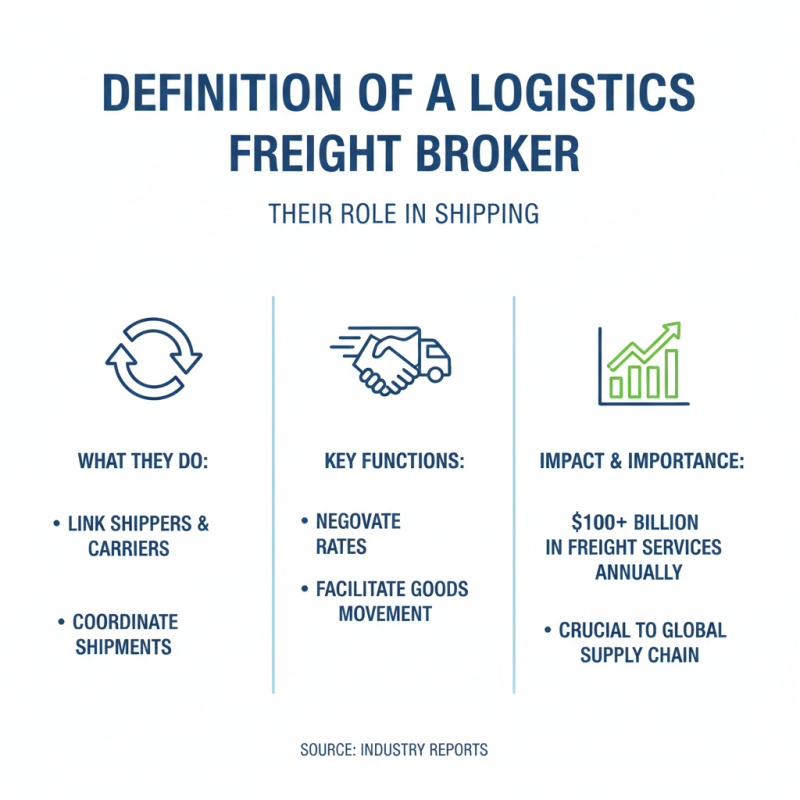
A logistics freight broker acts as a vital link between shippers and carriers. They facilitate the movement of goods by coordinating shipments and negotiating rates. According to industry reports, freight brokers handled over $100 billion in freight services in recent years. This reflects the growing importance of their role in the supply chain.
Freight brokers provide essential services. They analyze shipping needs and recommend the best transportation methods. They also vet carriers to ensure reliability and compliance with safety standards. Many brokers focus on specific industries, which allows them to tailor solutions. However, despite their expertise, not all brokers have the same level of experience. This can sometimes lead to inefficiencies in logistics processes.
With increasing demand for freight services, the broker market continues to expand. Reports show that the logistics sector is expected to grow by about 5% annually. In this dynamic environment, brokers must adapt quickly to market changes. Some brokers may struggle with outdated technology or lack customer service skills. This creates opportunities for improvement within the industry. Effective communication and transparency are crucial for success in this field.
Key Functions and Responsibilities of a Freight Broker in Supply Chain
A logistics freight broker plays a vital role in the supply chain. They connect shippers with carriers.
This process is essential for efficient logistics management. The freight brokerage industry has experienced rapid growth,
reflecting a surge in e-commerce and global trade. Recent reports indicate that the U.S. freight brokerage market was valued at approximately
$20 billion in 2021.
One key function of a freight broker is to negotiate rates. They ensure that shippers get competitive pricing.
Simultaneously, brokers must maintain healthy relationships with carriers. They often juggle multiple clients and schedules.
This balancing act can lead to miscommunication or delays. According to industry experts, about 30% of shipping delays are due to poor coordination among brokers and carriers.
Additionally, freight brokers provide valuable market insights. They analyze data to predict trends in capacity and pricing.
However, this analysis is not always accurate. The volatile nature of the logistics market can lead to unexpected challenges.
A broker must adapt quickly and remain flexible. As indicated by recent logistics studies, adaptability is crucial in avoiding common pitfalls,
such as overpromising delivery times.
How Freight Brokers Match Shippers with Carriers Efficiently
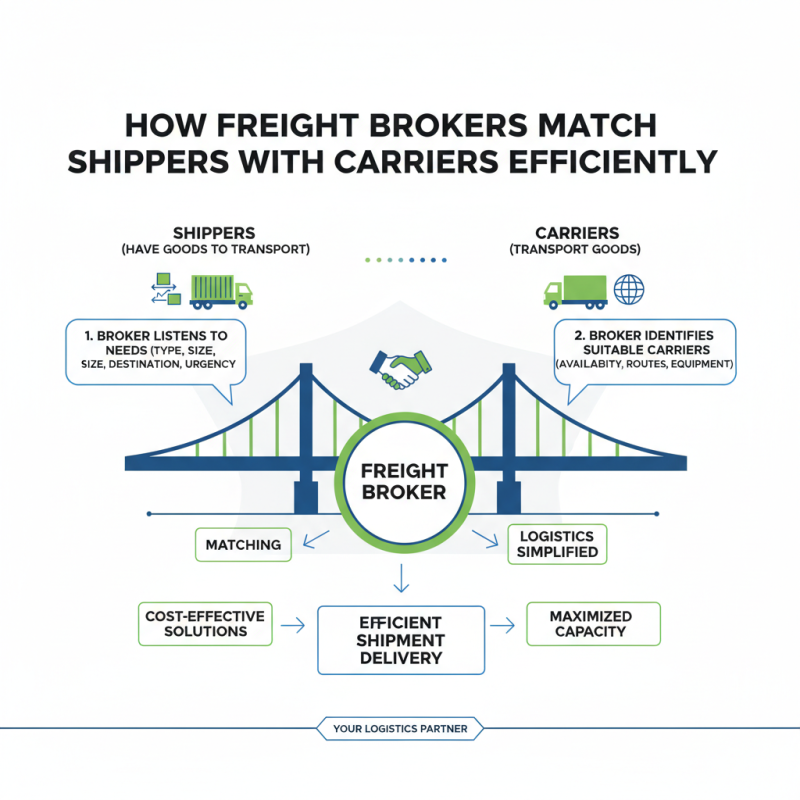
Freight brokers serve as a bridge between shippers and carriers. They simplify the logistics process. Brokers understand the needs of both parties. They listen closely to shippers to grasp their specific demands. This helps them find the right carriers for each shipment.
Efficiency is key in this matching process. A good broker uses technology and data. They have access to a database of carriers. By analyzing rates, capacities, and travel times, brokers can suggest the best options. Sometimes, options may not be ideal for cost or time. In these cases, brokers need to rethink their strategies.
Communication plays a vital role as well. Brokers must stay in touch with both shippers and carriers throughout the shipment process. Issues may arise, leading to delays or misunderstandings. A proactive approach can resolve these conflicts. Brokers often look for feedback to improve their services continually. Balancing the needs of shippers and carriers helps create smoother logistics operations.
The Process of Freight Brokerage: From Quote to Delivery
Freight brokerage is a critical component of the logistics industry. It connects shippers with freight carriers. The process begins when a shipper requests a quote. Typically, a broker collects details like cargo type, weight, and delivery timelines. According to recent industry reports, about 80% of shippers use brokers for their logistics needs. This high percentage highlights brokers’ importance in managing freight costs and efficiency.
Once the broker gathers the necessary information, they analyze it against available carriers. They often have established relationships with multiple transport companies. This network allows brokers to negotiate competitive rates. They aim to provide the best options for their clients. Data shows that faster delivery times can increase customer satisfaction by 20%.
However, not all freight moves seamlessly. Delays can occur due to weather or equipment failures. It is essential for brokers to communicate these issues promptly.
Once a carrier is selected, the broker coordinates the pickup and delivery. They monitor the shipment throughout its journey. Tracking technology is often used, but issues can still arise. Reports state that over 30% of shipments face some form of disruption. Brokers must remain adaptable and responsive to handle these challenges. Their ability to solve problems quickly can significantly impact a shipper's bottom line.
Challenges and Benefits of Using a Freight Broker for Logistics Management
Using a freight broker can simplify logistics management. However, there are challenges to consider. Brokers serve as intermediaries between shippers and carriers. They streamline the shipping process, but their fees can add up. According to industry reports, brokers charge anywhere from 10% to 30% of the total freight cost. This can impact budgets significantly.
Benefits include time savings and access to a wide network. Brokers often have relationships with multiple carriers. This means they can find the best rates and service options. However, relying too heavily on a broker could lead to complacency. Companies might overlook direct relationships with carriers, missing out on potential savings.
Communication can also be problematic. Misunderstandings may arise between parties. In fact, a survey found that 30% of shippers reported communication issues with their brokers. Clear expectations are crucial to minimize these risks. While the potential for improved logistics exists, companies should be cautious. They need to weigh the benefits against the possible pitfalls.
What is a Logistics Freight Broker and How Do They Operate? - Challenges and Benefits of Using a Freight Broker for Logistics Management
| Dimension |
Details |
| Role of Freight Broker |
Acts as an intermediary between shippers and carriers, coordinating transport and logistics. |
| Key Benefits |
Cost savings, access to a larger network of carriers, expertise in shipping regulations. |
| Common Challenges |
Finding reliable carriers, dealing with market fluctuations, ensuring timely communication. |
| Average Commission Rate |
Typically ranges from 10% to 20% of the shipping cost. |
| Required Licenses |
Must have a freight broker license issued by the Federal Motor Carrier Safety Administration (FMCSA). |
| Technology Used |
Transportation management systems (TMS), load boards, and communication tools. |
| Industry Trends |
Increasing reliance on technology and data analytics in logistics operations. |