What is a Logistics Freight Broker and How Can They Help You?
In today's complex supply chain landscape, a logistics freight broker plays a crucial role. They act as intermediaries between shippers and carriers, facilitating smooth and efficient transportation of goods. According to John Smith, a seasoned expert in logistics, "A good freight broker simplifies the shipping process and saves time."
Logistics freight brokers offer expertise and connections that shippers often lack. They identify optimal routes and negotiate rates. This not only reduces costs but also enhances service reliability. However, not all brokers are created equal. Some may lack necessary industry knowledge. A shipper must choose wisely, as the wrong broker can lead to delays and increased expenses.
In conclusion, understanding the role of a logistics freight broker is vital for any shipping professional. Their ability to streamline operations can make a significant difference. However, attention to detail is essential. A good relationship with a reliable broker can transform logistics challenges into efficient solutions.

What Is a Logistics Freight Broker?
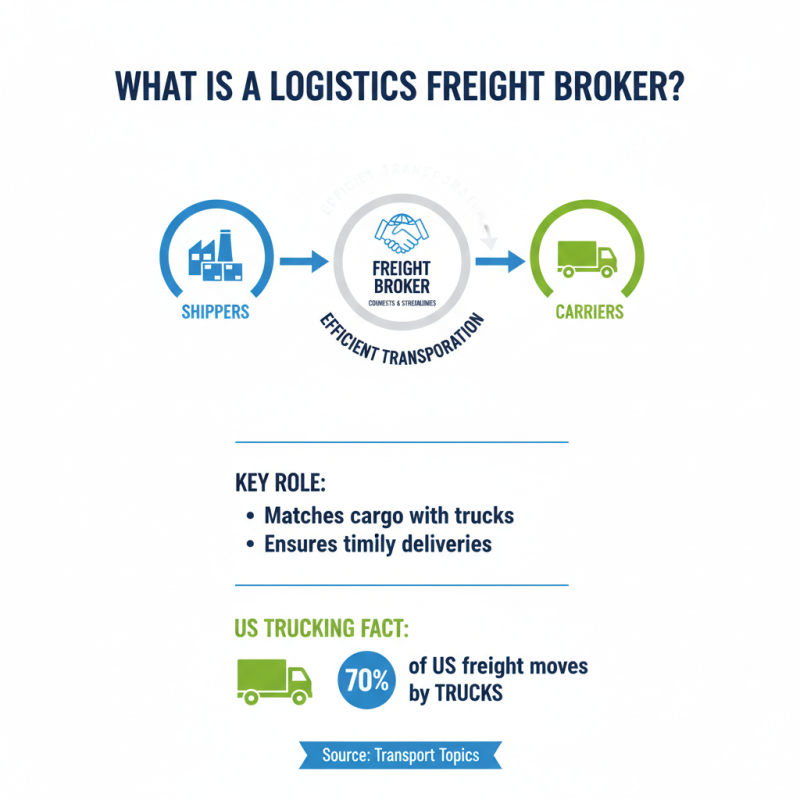
A logistics freight broker serves as a crucial intermediary in the transportation industry. They connect shippers needing to transport goods with carriers that can fulfill those needs. By leveraging their extensive network, freight brokers streamline supply chains and ensure timely deliveries. According to a report by Transport Topics, about 70% of freight in the U.S. is moved via trucks. This highlights the importance of efficient logistics management in the trucking sector.
Freight brokers possess deep industry knowledge. They understand market trends, help in negotiating rates, and navigate regulations. Their role can lead to significant cost savings. For instance, studies indicate that shippers save an average of 10-20% on shipping costs by utilizing a broker. Yet, choosing the right broker requires careful consideration. Not all brokers possess the same expertise or reliability.
Tips: When selecting a freight broker, check their credentials and experience. Look for brokers who have positive reviews and proven track records. Ask them about their technology use. A broker with advanced tracking tools can provide better visibility into your shipments. Remember, your choice directly impacts your supply chain’s efficiency. Make this decision wisely.
Key Responsibilities of a Freight Broker
Freight brokers play a crucial role in the logistics industry. They act as intermediaries between shippers and carriers. Their main responsibility is to connect businesses needing shipping services with available transportation providers. This process requires a solid understanding of shipping routes, market rates, and carrier capabilities. Brokers often negotiate contracts to secure the best terms for their clients.
In addition to connecting shippers and carriers, freight brokers manage logistics details. They coordinate shipments, track deliveries, and handle necessary paperwork. They need to stay current on regulations that may impact shipping. This knowledge ensures compliance and mitigates risks. However, brokers face challenges, such as fluctuating market rates and carrier availability. Building strong relationships with both shippers and carriers remains essential for success.
Communication is vital in a freight broker's role. They must keep all parties informed throughout the shipping process. This transparency fosters trust and reliability. While brokers strive to provide optimal solutions, unexpected issues can arise. Addressing these concerns proactively can enhance service quality. Ultimately, freight brokers are key players in streamlining supply chains and enhancing operational efficiency.
Logistics Freight Broker Responsibilities
How Freight Brokers Facilitate Efficient Shipping
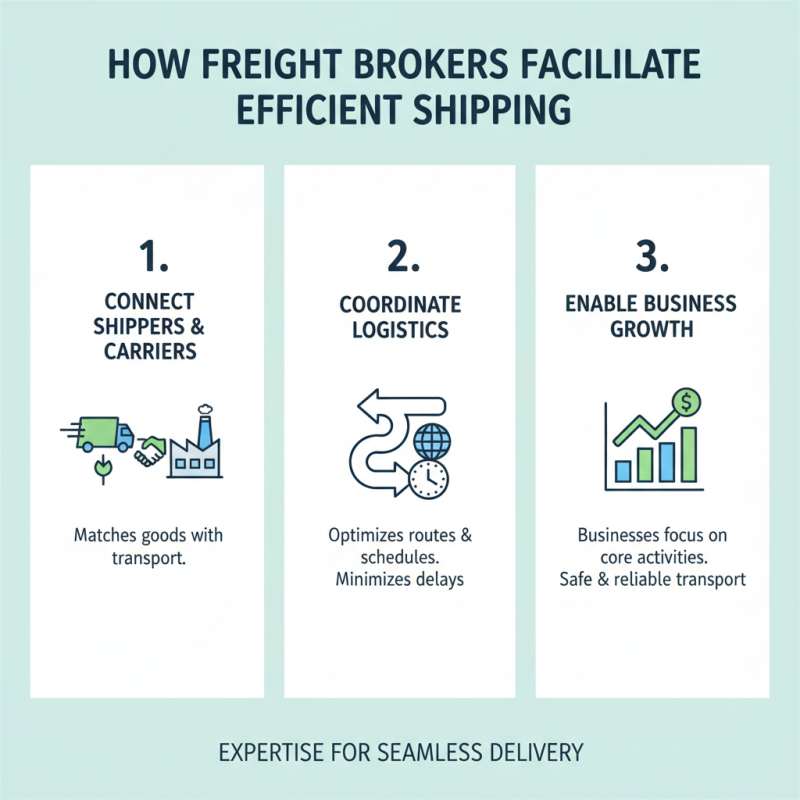
Freight brokers play a crucial role in the shipping industry. They connect shippers with carriers, ensuring that goods reach their destinations efficiently. By coordinating transportation logistics, they help minimize delays and optimize routes. This expertise allows businesses to focus on other core activities while ensuring their products are transported safely.
In an industry where timing is everything, freight brokers excel in communication. They constantly liaise between different parties, addressing issues as they arise. This can prevent costly mistakes and ensure transparency. However, some may question brokers' efficiency due to occasional miscommunications or outdated technology. These challenges highlight the need for vigilance in selecting a reliable broker.
Additionally, brokers often bring valuable insights into market trends. Their knowledge can help shippers make informed decisions about freight options. Sometimes, though, brokers may not have the latest data, affecting pricing and service quality. It’s essential for both shippers and carriers to maintain open channels of communication for the best outcomes. Understanding this dynamic can foster better relationships in the shipping process.
Benefits of Using a Freight Broker for Your Business
Freight brokers act as intermediaries between shippers and carriers. They manage the logistics of transporting goods efficiently. Their role is crucial in today’s fast-paced market. According to the Freight Broker Business Basics report, the industry is expected to grow by 20% over the next five years. This growth reflects the increasing complexity of supply chains.
Using a freight broker can significantly benefit your business. They bring extensive expertise in logistics and negotiations. This allows shippers to save time and money. A study by the Transportation Intermediaries Association showed that businesses using brokers can reduce shipping costs by up to 15%. Brokers understand market fluctuations and can secure competitive rates.
Yet, partnering with a freight broker is not without challenges. Some businesses may face hidden fees or service inconsistencies. It’s crucial to conduct thorough research before selecting a broker. Check their credentials and reputation in the industry. Reliable brokers should have a strong track record and positive reviews. Balancing cost savings with quality service is key to a successful partnership.
Choosing the Right Freight Broker for Your Needs
Choosing the right freight broker is crucial for efficient logistics management. A freight broker acts as an intermediary between shippers and carriers. They understand the complexities of transportation and can streamline the shipping process. According to a recent industry report, 75% of shippers find that a knowledgeable broker can reduce overall shipping costs significantly.
When selecting a broker, consider their experience and network. A broker's connections with carriers can lead to better rates and service reliability. Look for brokers who specialize in your specific industry. This ensures they understand unique challenges you might face. Data shows that there is a 30% higher chance of timely deliveries when working with specialized brokers. However, not all brokers provide the same level of service. It's essential to ask for references and assess their track record.
Communication is another vital factor. A freight broker should keep you updated on your shipment status. Clear and consistent communication can prevent misunderstandings. Yet, some brokers may struggle with this aspect, leading to frustration. It's essential to find someone responsive and dependable. In this ever-evolving logistics sector, having the right freight broker can mean the difference between seamless operations and logistical nightmares.
What is a Logistics Freight Broker and How Can They Help You? - Choosing the Right Freight Broker for Your Needs
| Criteria |
Description |
Importance |
| Experience |
Years in the industry and knowledge of market trends |
High |
| Reputation |
Feedback from clients and ratings on broker platforms |
High |
| Services Offered |
Range of transportation modes, warehousing, and logistics services |
Medium |
| Technology |
Use of freight management software for tracking shipments |
Medium |
| Customer Service |
Availability and responsiveness to client inquiries |
High |
| Pricing Structure |
Transparency in fees and competitive pricing model |
High |
| Licenses and Certifications |
Proper licensing and certifications in freight brokering |
High |