How to Choose the Right Transportation Freight Brokers for Your Needs?
Choosing the right transportation freight brokers can make or break your logistics strategy. With so many options available, it can be overwhelming. Each broker has their own strengths and weaknesses. Your needs may vary based on your business size, type of cargo, and shipping routes. It is crucial to consider these factors before making a decision.
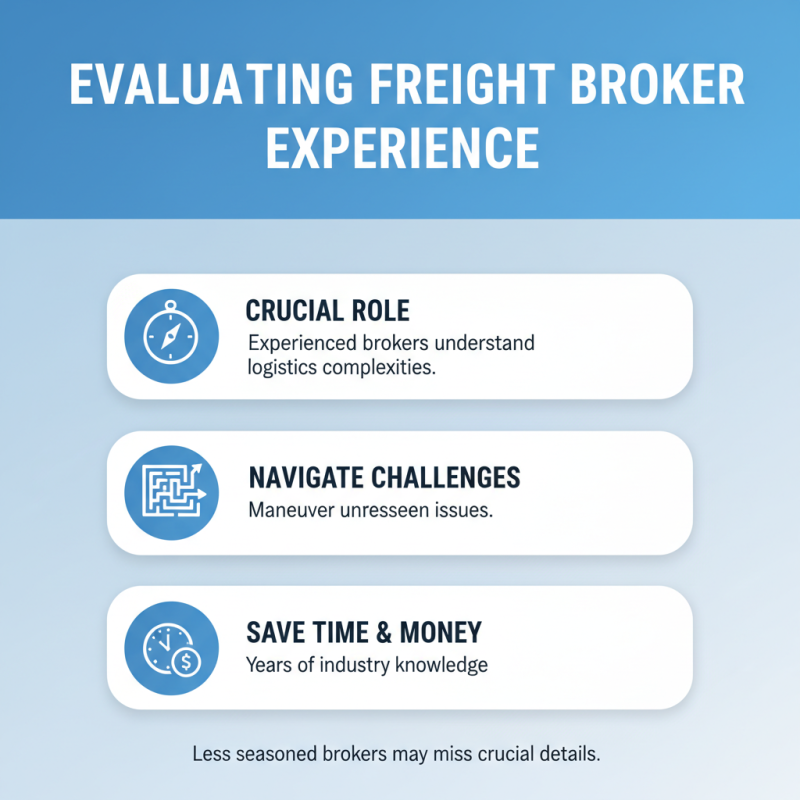
Transportation freight brokers help connect shippers with carriers. They provide valuable services such as negotiating rates and ensuring compliance. A good broker will have a solid reputation in the industry. Look for one with extensive experience and knowledgeable staff. It’s essential to check their credentials and reviews from past clients. Don't hesitate to ask for references to gauge their reliability.
Reflecting on your specific requirements is key. Think about what type of service you need. Consider factors such as cost, speed, and dependability. Each broker will offer something different. Finding the right fit requires patience and thorough research. In the end, your choice of transportation freight brokers should align closely with your logistical goals.

Understanding the Role of Transportation Freight Brokers in Logistics
Transportation freight brokers play a crucial role in the logistics industry. They connect shippers with carriers, ensuring that goods are moved efficiently. According to a report by the Council of Supply Chain Management Professionals, about 70% of U.S. freight is trucked, making brokers essential in managing this complexity.
Brokers provide valuable expertise. They understand market rates and available capacity. Their network can save shippers time and money. In fact, companies using brokers report a 15% reduction in transportation costs on average. However, not all brokers offer the same level of service. Some may lack proper licensing or fail to maintain strong relationships with carriers.
Brokers must also adapt to changing environments. The rise of e-commerce demands quicker delivery times. A 2020 study showed that 55% of consumers expect shipping within two days. This expectation puts pressure on brokers to find reliable carriers who can meet these demands. Not every broker is equipped to handle such challenges; some might struggle with communication and fulfillment. It's vital to assess their capabilities thoroughly before making a decision.
Identifying Your Specific Transportation Needs and Requirements
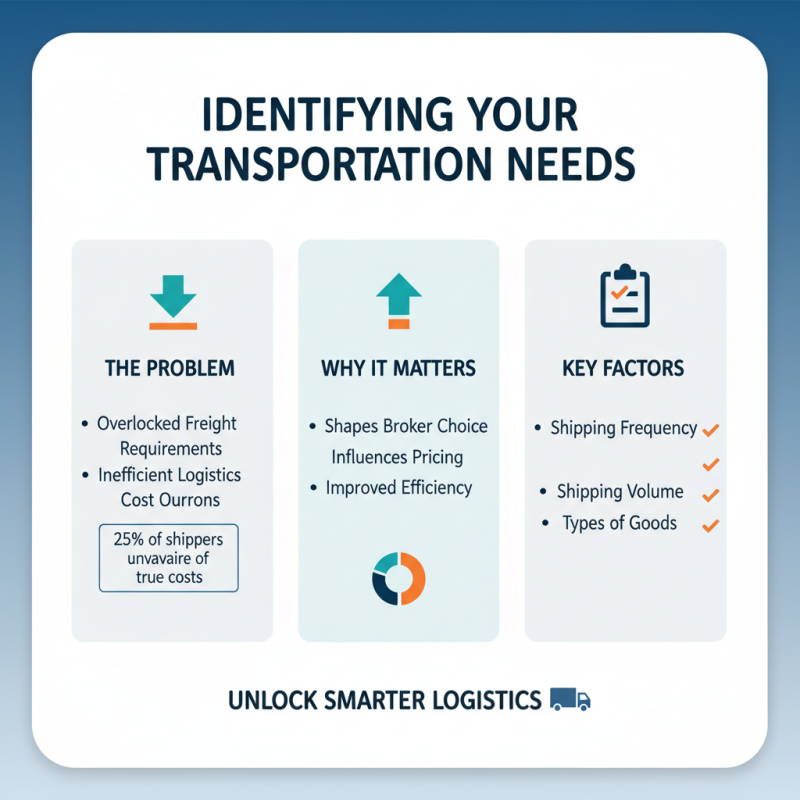
When choosing transportation freight brokers, identifying your specific needs is crucial. Companies often overlook their freight requirements. This can lead to cost overruns and inefficient logistics. According to a recent industry report, 25% of shippers are unaware of their true transportation costs. Understanding your shipping frequency, volume, and types of goods is vital. It shapes your choice of broker and influences pricing.
Analyze past shipments for insights. Are your shipments time-sensitive? If so, select a broker experienced in expedited services. Alternatively, if you transport bulky items, look for brokers with appropriate equipment. A study found that 40% of companies fail to assess their unique transportation characteristics, leading to mismatched partnerships. This mismatch can result in damaged goods and late deliveries.
Communication is key. Regularly engage with your broker to ensure they understand your evolving needs. If they are unresponsive or lack knowledge about your industry, reconsider your choice. The right broker should not only offer competitive rates but also demonstrate an understanding of your specific logistics landscape. The emphasis on detail and adaptability can prevent common pitfalls in freight management.
Examining Service Offerings and Pricing Structures of Brokers
When choosing a transportation freight broker, understanding their service offerings is crucial. Brokers can differ significantly in their capabilities. Some might focus on specific freight types, such as refrigerated goods. Others may provide a wide range of options, including cross-border shipping. Evaluate these differences based on your shipping needs.
Pricing structures can also vary greatly among brokers. Some operate on a flat fee basis, while others may charge based on distance or weight. Take the time to request detailed quotes and examine them closely. Hidden fees might exist, so ensure total transparency in pricing.
Tips for selecting the right broker:
- Ask about their carrier relationships. Strong partnerships can enhance service reliability.
- Check for customer reviews or testimonials. They provide insights into user experiences.
- Ensure the broker is compliant with industry regulations. This adds a layer of security to your shipments.
Keep these elements in mind to make a more informed decision.
How to Choose the Right Transportation Freight Brokers for Your Needs?
| Broker Type |
Service Offerings |
Pricing Structure |
Customer Support |
| Full-Service Broker |
Freight shipping, warehousing, logistics solutions |
Percentage of shipment cost, flat fees |
24/7 availability, dedicated account manager |
| Niche Broker |
Specialized transportation, e.g., perishable goods |
Higher base rates, quality premiums |
Personalized support, expertise in niche |
| Technology-Driven Broker |
Online platforms, tracking solutions, automated quoting |
Variable costs based on technology use, subscription models |
Online chat, email support |
| Freelance Broker |
Personalized services, freight planning |
Negotiable rates, commission-based |
Direct communication, availability during office hours |
Ensuring Compliance and Safety Standards in Broker Selection
When selecting transportation freight brokers, compliance and safety standards should be a primary focus. According to industry reports, nearly 70% of shippers prioritize safety regulations when choosing a broker. This highlights the importance of ensuring that potential brokers are fully compliant with federal regulations, as non-compliance can lead to significant legal issues for your business.
A reliable broker should provide transparent documentation to prove they meet all necessary safety standards. For example, the Federal Motor Carrier Safety Administration (FMCSA) maintains safety ratings and compliance records. These records can reveal past violations or compliance issues. Yet, many brokers operate without proper certifications, which raises concerns about the safety of your cargo.
In reviewing potential brokers, consider their safety track record and customer reviews. A broker’s reputation can significantly affect your operation's reliability. Striking a balance between cost and safety is vital, as finding the cheapest option might complicate compliance. Not all brokers prioritize the same level of diligence, and this can impact your supply chain’s efficiency. It’s crucial to engage with a broker who values safety as much as financial savings.