
Choosing among the 10 Best Ship Brokerage Firms for Global Buyers requires more than comparing websites or advertised vessel lists. A reliable broker can connect buyers with suitable ships, verified owners, and practical routes. The strongest ship brokerage firms usually combine market experience, technical knowledge, and clear communication. They understand vessel types, age profiles, inspection reports, flag requirements, classification records, and delivery schedules. These details matter when a buyer is evaluating a bulk carrier, tanker, container ship, or specialized commercial vessel.
A serious review should also examine how each firm handles due diligence and transaction risk. Look for brokers who explain ownership history, maintenance records, charter conditions, insurance expectations, and contract terms in plain language. Their recommendations should reflect the buyer’s cargo needs, budget, operating region, and long-term plans. Real expertise often appears in small details, such as identifying inconsistent engine records or questioning an unrealistic delivery date. That experience can prevent expensive surprises.
No ranking is perfect. Market conditions change quickly.
Some firms may excel in negotiations but offer limited regional coverage. Others may provide strong technical support while communicating slowly across time zones. This guide considers reputation, transparency, industry knowledge, network strength, responsiveness, and buyer protection. It does not treat promotional claims as proven evidence. Instead, it encourages global buyers to compare independently, request documented information, and consult qualified maritime professionals before signing agreements. Careful judgment remains essential, even when a broker appears highly established.
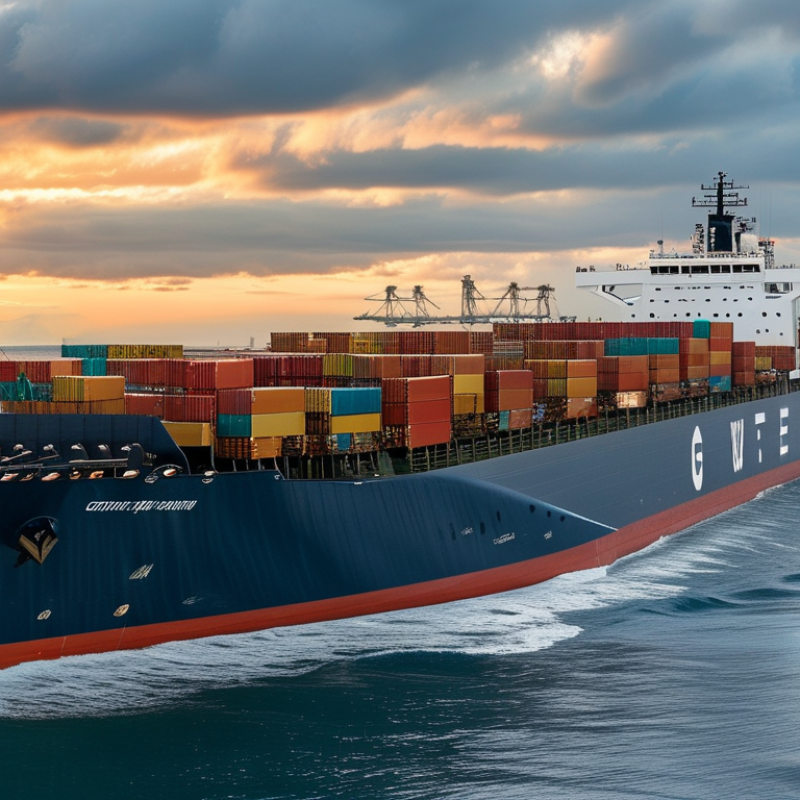
Ship brokerage firms connect cargo owners with suitable vessels and reliable operators.
They study cargo type, volume, loading dates, discharge ports, and draft limits before suggesting options. A broker may compare several vessel positions within hours. This saves buyers time, especially when freight markets change daily.
Their work continues during negotiation. Brokers help shape freight terms, laytime allowances, demurrage clauses, and port requirements. They also check vessel records, ownership details, insurance evidence, and operational certificates through appropriate sources. Clear communication matters here. One wrong date can affect berth availability, storage costs, and inland transport schedules. Good brokers explain risks instead of hiding them behind attractive rates.
They also support buyers after a fixture is agreed.
They monitor arrival notices, loading progress, weather delays, and document exchanges. A dependable firm keeps written records and confirms every material change. It is not always smooth. Market data can be incomplete, port information may shift, and early estimates can become outdated. Buyers should question assumptions and request evidence for unusual costs. A broker’s advice is valuable, but it should not replace legal, technical, or insurance review. The strongest working relationship grows from realistic expectations, careful checking, and timely decisions.
10 Best Ship Brokerage Firms for Global Buyers?
How to Evaluate Ship Brokers for International Buyers
Choosing a ship broker requires more than comparing commission rates. International buyers should examine the broker’s experience with similar vessel types, trading routes, and port conditions. Ask for verifiable transaction history, professional references, and clear evidence of maritime knowledge. A broker who understands cargo capacity, maintenance records, classification documents, and delivery terms can identify problems earlier.
Look closely at the broker’s working process. Does the team verify ownership documents and vessel history? Can it arrange independent inspections and explain technical findings in plain English? Reliable brokers should disclose fees, communication duties, payment stages, and possible delays before negotiations begin. Their contracts should define responsibilities for inspections, registration, insurance, customs, and delivery. Check local legal requirements too. Rules differ by flag, port, and buyer location.
Communication reveals a great deal. Slow replies may signal weak coordination. Vague answers deserve careful questions. Experienced brokers often provide written comparisons instead of pushing one vessel. Still, no broker is perfect. I would record every promise, confirm it with documents, and allow time for second opinions. A polished presentation can hide incomplete research. That happened to me once. The missing detail was small, but it changed the projected operating cost significantly. Reliable judgment comes from checking facts, not trusting confidence alone.
Global buyers need more than a familiar name when selecting a ship brokerage firm. The UNCTAD Review of Maritime Transport 2023 states that over 80% of global merchandise trade moves by sea. Its data also recorded fleet growth of about 3.4% in 2023. That scale makes specialist advice valuable.
The ten leading ship brokerage firms can be profiled by their practical strengths.
The Baltic Exchange reported continuing volatility across major freight markets in recent years, reminding buyers that yesterday’s rate may already be irrelevant. A credible broker explains assumptions, not just prices. Ask for recent fixtures, comparable vessels, and clearly stated commission terms. Experience shows that communication speed can prevent costly delays. Still, rankings are imperfect. Some firms publish stronger research than they deliver operationally. Others know a port exceptionally well but lack global coverage. Careful buyers should test both claims.
10 Best Ship Brokerage Firms for Global Buyers?
Choosing among the ten best ship brokerage firms requires more than comparing online rankings. Global buyers should examine vessel access, route coverage, cargo knowledge, and response times. An experienced broker can explain draft limits, port congestion, laycan windows, and realistic delivery schedules. That practical detail often matters more than polished sales language.
Markets also shape broker value. Some firms focus on dry bulk, while others understand tankers, container ships, or project cargo. Buyers should request recent transaction examples and verify the broker’s experience in their target region. Fee structures deserve equal attention. Commissions may vary by vessel type, contract size, and negotiation responsibility. Ask whether inspection, documentation, port calls, and amendments create extra charges. No ranking is perfect. A familiar name may still lack useful regional knowledge.
Tips: Compare three written proposals. Check the fee basis carefully. Ask who handles problems after signing. Test response quality with specific questions about ports, schedules, and cargo risks. Keep records of every commercial assumption. Brokers can be highly capable, yet some estimates remain uncertain because weather, congestion, and equipment availability change quickly. I would also avoid choosing the lowest fee automatically. It may reflect limited market access or fewer post-fixture services. Small wording differences can create large costs later.
| Profile | Primary Brokerage Focus | Typical Vessel Segments | Main Geographic Coverage | Core Services | Industry Expertise | Common Fee Structure | Indicative Commission Range | Best Fit for Buyers | Market Reach |
|---|---|---|---|---|---|---|---|---|---|
| 01 | Global full-service broker | Dry bulk, tankers, containerships | Europe, Asia-Pacific, Middle East, North America | Sale and purchase, chartering, valuation support, market intelligence | Cross-sector commercial and technical evaluation | Success fee payable on completed transaction; separate advisory fees may apply | Usually about 1.25%–2.50% | Buyers seeking broad international deal flow and multi-market support | Very high |
| 02 | Dry-bulk specialist | Handysize, Supramax, Panamax, Capesize bulkers | Atlantic Basin, Pacific Basin, Indian Ocean | Sale and purchase, period chartering, voyage fixtures, valuation | Iron ore, coal, grain, minor bulks | Transaction commission; chartering commissions commonly negotiated per fixture | Usually about 1.00%–2.00% | Buyers targeting bulk commodity routes and fleet expansion | High |
| 03 | Tanker specialist | Crude oil, product, chemical, and gas carriers | Middle East, Asia-Pacific, Europe, West Africa, Americas | Sale and purchase, chartering, fleet valuation, market analysis | Oil products, crude oil, chemicals, LPG and LNG shipping | Commission based on transaction or fixture value; technical due diligence priced separately | Usually about 1.25%–2.50% | Buyers requiring cargo-specific tanker knowledge and compliance review | High |
| 04 | Commercial shipbroker | Feeder containerships, multipurpose ships, general cargo vessels | North Europe, Mediterranean, Southeast Asia, China | Chartering, sale and purchase, route analysis, employment strategy | Regional liner trades and project cargo | Fixture commission or sale commission; fee terms normally documented in the mandate | Usually about 1.00%–2.00% | Buyers seeking smaller vessels and regional operating opportunities | Medium to high |
| 05 | Offshore and specialized broker | Offshore support vessels, platform supply vessels, construction vessels | North Sea, Gulf regions, Southeast Asia, West Africa, Latin America | Sale and purchase, chartering, fleet repositioning, asset marketing | Offshore energy, subsea operations, marine construction | Mandate-based success fee; bespoke advisory and technical review charges may apply | Usually about 1.50%–3.00% | Buyers evaluating specialized assets with limited comparable transactions | Specialized |
| 06 | Newbuilding and secondhand broker | Bulkers, tankers, containerships, gas carriers | China, South Korea, Japan, Europe, Middle East | Newbuilding negotiations, resale transactions, yard comparison, delivery coordination | Shipyard selection, specifications, construction schedules | Newbuilding commission is commonly paid by the yard or agreed under the mandate; resale commission is separately negotiated | Often about 1.00%–2.50% | Buyers comparing newbuildings with modern secondhand tonnage | High |
| 07 | Ship finance and valuation broker | Commercial vessels across major asset classes | Europe, North America, Asia-Pacific | Asset valuation, sale and purchase, financing introductions, market research | Residual values, cash-flow analysis, lender documentation | Advisory retainer, success fee, or combined fee structure | Commonly 0.50%–2.00%, depending on mandate scope | Buyers needing finance support or independent investment analysis | High |
| 08 | Regional port and coastal broker | Coasters, barges, short-sea vessels, small tankers | European short-sea routes, Southeast Asia, coastal Americas | Local sale and purchase, chartering, port intelligence, inspection coordination | Coastal trade regulations, draft restrictions, port operations | Usually a negotiated transaction or fixture commission | Usually about 1.00%–2.50% | Buyers focused on regional fleets and port-specific operations | Regional |
| 09 | Ro-ro and passenger-vessel specialist | Ro-ro cargo ships, ferries, cruise-related tonnage | Europe, Mediterranean, Scandinavia, Asia-Pacific | Sale and purchase, chartering, route assessment, refit planning support | Vehicle logistics, passenger operations, special-purpose layouts | Success fee on completed sale or charter; technical and regulatory work may be additional | Usually about 1.50%–3.00% | Buyers requiring niche vessel layouts and passenger-market knowledge | Specialized |
| 10 | Digital market intelligence broker | Bulkers, tankers, containerships, multipurpose vessels | Global coverage through broker networks and online databases | Market screening, comparable sales, fleet tracking, buyer-seller introductions | Data-supported pricing, fleet age analysis, transaction monitoring | Subscription, retainer, success fee, or hybrid commercial model | Data access varies; transaction fees commonly about 1.00%–2.50% | Buyers wanting faster shortlisting and data-led market comparisons | Very high |
Note: Profiles are anonymized industry categories rather than named companies. Commission ranges are customary market indications, not fixed tariffs; actual fees depend on vessel type, transaction value, mandate scope, exclusivity, location, and the services included. Buyers should confirm commission, conflicts of interest, technical responsibilities, sanctions screening, and legal terms in writing before appointing a broker.
Choosing among the 10 best ship brokerage firms for global buyers requires more than comparing commission rates. The right broker should understand vessel types, trading routes, ownership structures, and current market conditions. Ask for evidence of completed transactions involving similar ships. A credible broker should explain the vessel’s class status, flag, inspection history, and maintenance records in clear language. They should also identify conflicts of interest before negotiations begin.
Tips: Request references from recent clients. Confirm licensing and professional memberships. Ask who verifies technical documents. Compare written fee terms. Keep every commitment documented.
Communication matters across time zones. A dependable broker answers specific questions, reports delays quickly, and separates verified facts from assumptions. Test this early by requesting a concise vessel comparison with purchase price, operating age, survey date, and known defects. If the response feels rushed, reconsider. In practice, even experienced brokers can miss a detail. Buyers should independently review surveys, contracts, sanctions compliance, insurance requirements, and applicable maritime regulations with qualified advisers. Trust is useful, but documentation is stronger. A good broker does not pressure a buyer to close before technical and legal checks are complete.
Global buyers should match a broker’s vessel-type expertise with the structure of the merchant fleet. The chart below shows the approximate share of global merchant fleet capacity by vessel type, measured in deadweight tonnage (DWT).
Selection insight: Bulk carriers and oil tankers represent the largest capacity segments, so buyers in these markets should prioritize brokers with strong chartering knowledge, route coverage, safety screening, and access to reliable vessel capacity. Buyers of container or specialized vessels should focus more heavily on schedule reliability, port expertise, cargo compatibility, and technical compliance.
Source: UNCTAD, Review of Maritime Transport 2024; figures are approximate global fleet-capacity shares by DWT.